
Weddings Bell - Your Events Partner
Weddings in East India: A Cultural Celebration
July 10, 2026
Weddings in East India: A Cultural Celebration
A Tapestry of Traditions: Discovering East India’s Wedding Soul
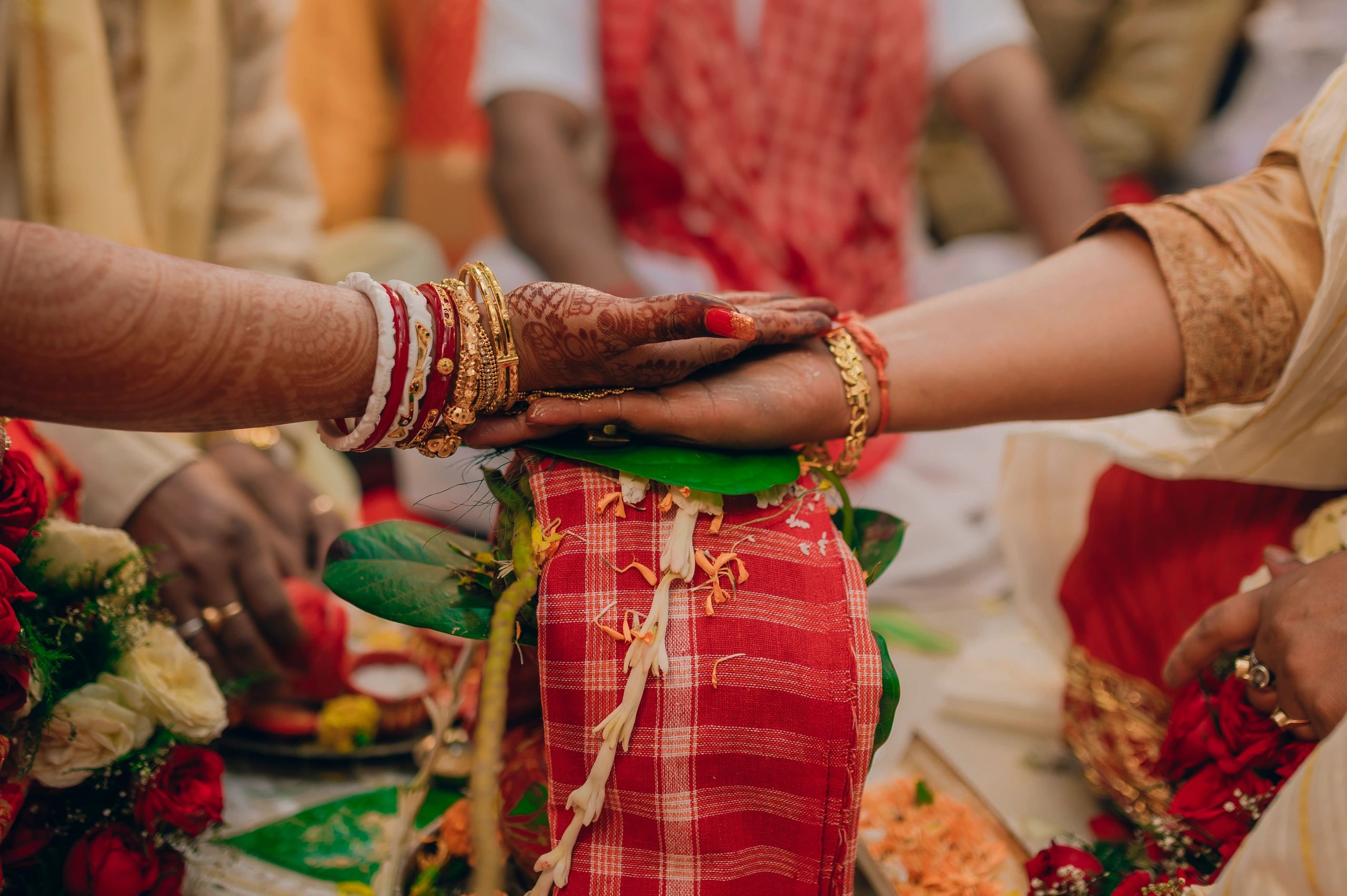
East India bursts with cultural richness, where weddings transcend mere ceremonies and become vibrant expressions of heritage, community, and regional pride. From the Nawabi elegance of Lucknow to the earthy rituals of rural Bengal and the temple-centric celebrations in Odisha, this region offers one of India’s most diverse matrimonial landscapes. Each state—Bihar, Jharkhand, West Bengal, Odisha, and beyond—brings its own distinct customs, attire, music, and culinary traditions, creating a mosaic of wedding experiences deeply rooted in history yet evolving with modern tastes.
For couples seeking authenticity, East India presents an unparalleled opportunity to celebrate with meaning. Think Ayanam processions in Bengali Brahmin weddings, Saptapadi under intricately decorated mandaps in Odia ceremonies, or the lively Jaimala exchanges in Bihari weddings accompanied by folk dhol beats. These moments aren’t just rituals—they’re storytelling tools that connect generations. Planning a wedding here means embracing seasonal rhythms, understanding regional etiquette, and balancing tradition with guest comfort—especially during popular wedding windows from October to March.
This guide will walk you through the region’s most cherished customs, venue considerations, and practical planning insights to help you craft a celebration that feels both deeply cultural and effortlessly seamless.
7 Distinct Wedding Traditions Across East India You Should Know
East India is a cultural mosaic, where wedding customs reflect centuries-old rituals, regional artistry, and deep-rooted symbolism. From the terracotta-laden rituals of rural Bengal to the bamboo-mandap ceremonies in Assam, each state brings its own flavor to matrimony. Understanding these traditions helps couples—and wedding planners—design meaningful, authentic celebrations that honor heritage while embracing modern sensibilities.
**1. West Bengal: The Ritual of **Gaye Holud is celebrated with turmeric paste applied to both bride and groom in separate ceremonies, accompanied by folk songs and dhaaki drumbeats. Opt for organic, skin-friendly turmeric blends and schedule the event in the early morning when light is ideal for photography.
*2. Odisha: The Saptapadi stands out, where the couple takes seven sacred vows around a fire. This ritual is often followed by Baaj, consider serving chingudi malai curry (prawn in coconut milk) and akhodis, a traditional fermented rice drink with a tangy profile. For modern receptions, translate these flavors into gourmet tasting menus or cocktail hours with mini poda pitha bites.
**3. Bihar: The Maithil Vivah traditions, including Kohbar art—elaborate mud wall paintings symbolizing fertility and prosperity—add deep cultural resonance. Today, couples replicate Kohbar patterns on invitation cards, backdrops, or mandap pillars. To modernize, collaborate with local artisans for live Kohbar installations during the haldi or saptapadi, blending performance art with ritual.
**4. Assam: The Xorai—a bell-metal offering tray—is central to Assamese weddings, symbolizing respect and tradition. During ceremonies, elders place gifts and betel leaves on it, often during xorai-led processions. Use this symbol in décor by placing modernized xorai centerpieces at reception tables, paired with kantha-stitched table runners. Incorporating Bihu dance performances adds festive authenticity.
**5. Fusion Ceremonies: Blending **For example, a couple might start with a Bengali Aiburo Bhaat (pre-wedding feast) and transition into an Assamese Gosain Bhaat (post-wedding meal). The key is to map rituals by timing and symbolism—ensuring neither tradition feels truncated.
6. Attire with Regional Flair
In Odisha, brides wear Sambalpuri silk with ikat motifs, while Bihari brides favor ghagra cholis with vermillion markings. Modern weddings see fusion ensembles—like a chanderi lehenga with Assamese mej-ekhoni embroidery. Recommend working with local weavers for custom pieces, supporting artisans and ensuring uniqueness.
7. Seasonal Sensitivity and Guest Experience
East India’s climate—humid summers and monsoon-heavy months—requires strategic planning. Weddings in Assam peak in winter (November–February), while Bihari families prefer the post-harvest months of October–December. Always verify venues have indoor alternatives, high-capacity cooling, and power backup—especially in rural or off-grid locations.
Iconic Wedding Venues Across East India: From Heritage Halls to Hillside Escapes
East India boasts a diverse array of wedding venues that blend cultural legacy with scenic beauty, making it a favored choice for couples seeking both tradition and tranquility. In Kolkata, heritage properties like colonial-era rajbaris and grand heritage hotels provide a regal backdrop, combining vintage architecture—ornate columns, sprawling verandas, and manicured lawns—with modern event infrastructure. These spaces are ideal for couples wanting to host multi-day festivities rooted in Bengali customs, from Aiburo Bhaat to Saat Naag.
In Puri, beachside resorts and temple-adjacent banquet halls offer a spiritual and seaside charm. Couples often choose locations near the Mahodadhi shoreline for ceremonies infused with coastal serenity, while still maintaining proximity to Jagannath Temple rituals. Look for venues with indoor-outdoor flexibility to accommodate sudden coastal showers.
Shillong stands out with its mist-kissed hills and Anglo-Indian architecture. Heritage bungalows and garden estates across Laitumkhrah and Polo Road provide a cool, elevated escape—perfect for summer weddings. Many venues feature lush lawns for pheras under open skies and ambient lighting for evening receptions.
When selecting a venue, prioritize properties with built-in guest accommodations, reliable power backup, and experienced vendors familiar with regional ceremonies. Choosing a location that respects both cultural context and guest comfort ensures a seamless celebration.
3 Simple Steps to Blend Tradition and Modernity in Your East Indian Wedding
Couples across East India are redefining nuptial celebrations by harmonizing age-old customs with contemporary style—creating events that feel both rooted and refreshingly new. If you’re planning a wedding in Lucknow or nearby regions and want to honor heritage while staying modern, follow these practical steps to strike the perfect balance.
1. Modernize Traditional Attire Without Losing Cultural Essence
Begin by selecting bridal and groom wear that incorporates regional craftsmanship with current fashion trends. For example, brides can opt for a chikankari-embroidered lehenga in minimalist ivory or blush tones, paired with a sleek jacket or cape instead of a conventional dupatta. Grooms can choose a sherwani with asymmetrical cuts or subtle metallic threadwork, worn over tailored trousers. This fusion approach respects tradition while appealing to younger, fashion-forward guests.
2. Reimagine Ceremony Spaces with Cultural Accents and Contemporary Décor
Design your mandap or ceremonial layout using traditional motifs—like jharokhas, naqashi patterns, or floral torans—but present them through modern materials such as acrylic cutouts, LED-backlit frames, or geometric rangoli projections. Blend lakhori bricks or khus grass installations with ambient lighting and modular seating to create a space that feels culturally rich yet Instagram-ready.
3. Infuse Rituals with Personal Touches and Tech Enhancements
Keep the soul of Awadhi or Bengali customs intact while adding personalized elements. Use digital invitation suites featuring hand-drawn alpana designs or meenakari borders with QR codes linking to a wedding microsite. During the baraat, integrate a drone light show or live-stream key moments for distant relatives. Even small updates—like a curated playlist mixing thumri with acoustic love songs—can elevate emotional resonance.
By thoughtfully layering modern details onto traditional foundations, your wedding becomes a meaningful reflection of both heritage and individuality.
Master the Essentials: Practical Tips for Planning a Wedding in East India
Planning a wedding in East India requires thoughtful coordination of climate, culture, and guest needs to create a seamless celebration. Start with seasonal timing: the ideal window is October to March, when cooler, dry weather supports outdoor ceremonies without the discomfort of summer heat or monsoon rains. This period aligns perfectly with traditional wedding calendars and ensures guest comfort during multi-day events.
Guest logistics are crucial—choose venues within easy reach of major transport hubs, especially if hosting guests from across India. Prioritize properties offering on-site accommodations, valet services, and accessible facilities. For large gatherings, consider venues in cities like Lucknow or Patna that boast strong infrastructure and reliable vendor networks.
Local culinary experiences elevate your event. Feature authentic regional specialties such as Awadhi kebabs, nihari, sheermal, and kheer in a curated dastarkhwan setup. Incorporate live food stations for interactive dining, and always confirm dietary accommodations for diverse guest lists.
Ensure on-ground reliability by verifying your venue’s access to 24/7 power backup, climate-controlled spaces, and weather contingencies like covered mandaps or indoor alternatives. By planning with these regional factors in mind, you create a celebration that honors tradition while ensuring comfort and flawless execution.
Planning Your East Indian Wedding: Answers to Top FAQs
Hosting a wedding in East India offers a rich blend of cultural depth, vibrant rituals, and scenic backdrops—from the ghats of Varanasi to the heritage homes of Kolkata. Yet, couples often have pressing questions about logistics, legality, and local expectations. Here’s a practical guide to help you navigate the essentials.
What legal steps are required to register a wedding in East India?
All weddings must be registered under either the Hindu Marriage Act (for Hindu, Sikh, Jain, or Buddhist couples) or the Special Marriage Act (for interfaith or civil unions). You’ll need valid ID, proof of residence, age verification, and passport-sized photos. Submit a 30-day notice at the local registrar’s office, and ensure three witnesses are present during the ceremony. Many cities now allow on-site registration on your wedding day.
Is it easy to travel with guests to East Indian wedding destinations?
Yes, major cities like Kolkata, Patna, and Varanasi are well-connected by air, rail, and highways. Opt for venues within 30–45 minutes of airports or major railway stations. Block hotel rooms in advance, especially during peak seasons, and consider providing transportation passes or shuttle services for seamless guest movement.
How do I find trustworthy vendors for catering, décor, and entertainment?
East India has a thriving network of local vendors skilled in regional specialties—think mishti doi caterers in Bengal, machli-ki-sabzi experts in Bihar, or chandua craftsmen in Odisha. Prioritize vendors with portfolio reviews and on-ground experience in multi-day wedding management. Many offer all-in-one packages that include setup, staffing, and breakdown.
What’s the best time of year to host a wedding in this region?
Aim for October to March, when temperatures are mild and humidity is low. This window avoids the monsoon (June–September) and extreme summer heat (April–May), ensuring comfort for outdoor ceremonies and guest travel. Winter weddings also align beautifully with festive occasions like Diwali and Durga Puja.
Are wedding venues in East India equipped for modern needs?
Most established venues offer 24/7 power backup, air-conditioned halls, high-speed internet, and valet parking. Heritage properties often blend vintage charm with modern infrastructure, including bridal suites and guest lounges. Always confirm technical specs during site visits, especially if planning live streaming or high-energy performances.
Should I book my venue and vendors early?
Absolutely. Secure your venue 8–12 months in advance, particularly for weekends between November and February. Top caterers, decorators, and photographers get booked quickly, so early planning ensures availability and allows time for custom elements like personalized shagun boxes or Bengali alpona floor art.
Why East India Stands Out as the Soulful Heart of Destination Weddings
East India isn’t just a backdrop for weddings—it’s a living, breathing participant in the celebration. From the Nawabi grace of Lucknow to the spiritual serenity of Bhojpur and the vibrant cultural tapestry of Bengal, this region offers a depth of tradition that’s increasingly rare in modern nuptials. What sets East India apart is its ability to deliver heritage-rich experiences without sacrificing convenience or comfort. Couples seeking authenticity will find it woven into every detail: from chikankari-adorned bridal robes and thumri-infused ceremonies to feasts centered on slow-cooked nihari and shahi tukda. These aren’t staged performances—they’re enduring customs practiced with pride.
The region’s growing wedding infrastructure complements its cultural wealth. Modern banquet halls coexist with restored havelis, offering flexible, tech-ready spaces with reliable power and climate control. Guest logistics are streamlined, with accessible transit hubs and nearby accommodations ideal for multi-generational gatherings. Whether you’re planning an intimate courtyard pheras or a lavish multi-day affair, East India provides the ideal balance of tradition and practicality. To begin, map your wedding timeline around the optimal season—October to March—when pleasant weather supports open-air rituals and flawless photography. Then, partner with local artisans and caterers who understand the nuances of regional customs. Let the soul of East India elevate your wedding from an event to an heirloom.