
Weddings Bell - Your Events Partner
Why India is Perfect for Your Dream Wedding
July 9, 2026
Why India is Perfect for Your Dream Wedding
Discover India’s Ultimate Wedding Landscape
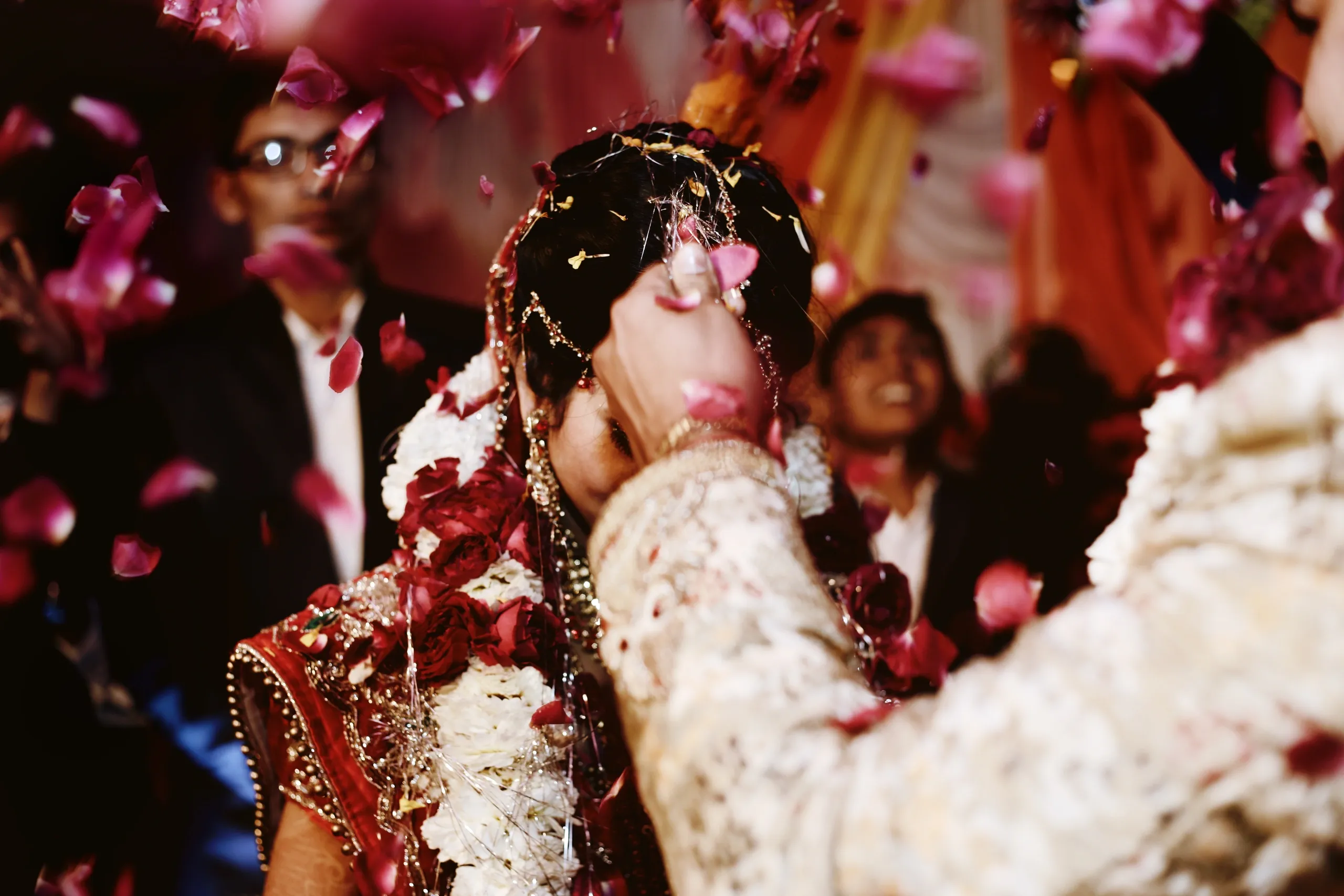
Imagine saying “I do” beneath a hand-painted madhubani mandap, exchanging vows on a palace rooftop under starlit Rajasthan skies, or celebrating with a riverside sangeet along the sacred Ganges in Varanasi. India isn’t just a backdrop for weddings—it’s a living, breathing celebration of love, culture, and tradition. With its vast geographic and cultural diversity, India has become a premier destination for couples seeking a wedding that’s as unique as their love story. From the snow-kissed peaks of Himachal Pradesh to the sun-drenched beaches of Goa, and the regal palaces of Jaipur to the lush greenery of Kerala, every region offers a distinct wedding experience tailored to different tastes, budgets, and traditions.
For couples planning a wedding in Bihar, the state stands out as a cultural heartland where time-honored rituals like Saptapadi, Kanyadaan, and Dulha Shobha Yatra are not just performed—they’re felt. The region’s deep-rooted customs, combined with improving infrastructure, affordable luxury, and warm local hospitality, make it an ideal choice for families seeking authenticity without sacrificing comfort. In the coming sections, you’ll learn how to choose the perfect venue, incorporate regional traditions with meaning, manage guest logistics, and create a celebration that honors heritage while embracing modern ease—all within one of India’s most culturally rich states.
Experience the Diversity of India’s Most Iconic Wedding Destinations
India’s vast landscape offers an extraordinary range of breathtaking backdrops for your dream wedding—each region bringing its own cultural richness, architectural grandeur, and natural beauty. From royal palaces steeped in history to serene backwaters, misty hill stations, and golden beaches, the country is a treasure trove of unforgettable wedding settings. Choosing the right destination not only enhances your visual narrative but also enriches the guest experience with immersive local flavor.
In Rajasthan, opulent palaces and heritage forts in cities like Jaipur, Udaipur, and Jodhpur set the stage for regal, traditional ceremonies. These venues seamlessly blend vintage charm with modern amenities, offering sprawling courtyards for sangeet nights and majestic ballrooms for grand receptions—all wrapped in Rajputana elegance.
Head south to Kerala, where weddings unfold along tranquil backwaters aboard houseboats or beachfront resorts in Kochi and Varkala. The rhythmic lull of water, lush greenery, and minimalistic coastal aesthetics cater to couples seeking a relaxed, destination-style celebration rooted in serenity.
For a romantic mountain escape, Himachal Pradesh delivers with charming hill stations like Shimla and Manali. Surrounded by pine forests and snow-capped peaks, these locations are ideal for intimate pheras in open-air mandaps or cozy winter weddings with firelight ambiance.
Meanwhile, Goa continues to charm with its tropical beaches, Portuguese-style villas, and vibrant nightlife. Beach weddings here offer a perfect mix of tradition and leisure, allowing couples to host multi-day celebrations with beachside feasts and bonfire receptions.
When planning across regions, prioritize climate, guest accessibility, and infrastructure readiness to ensure a flawless experience.
7 Authentic Ways to Celebrate a Multicultural Indian Wedding with Regional Flair
Planning a wedding that honors multiple Indian cultures? You’re not alone—many couples today are blending regional traditions to create celebrations that feel deeply personal and inclusive. Here are seven meaningful ways to authentically weave customs, attire, music, and cuisine from different parts of India into one harmonious event.
1. Design a Regional Ritual Timeline
Incorporate symbolic pre-wedding and wedding rituals from various regions at different stages of your event. Begin with Haldi from North India, followed by a Pithi ceremony from Bengal, and include a Mangal Phera setup inspired by South Indian kanyadaan. By mapping out a culturally rich timeline, you create emotional highs that reflect both heritage and unity.
2. Curate a Pan-Indian Attire Moment
Have the wedding party change into traditional garments representing different regions during various functions. The bride might wear a ghagra in Rajasthani style for the baraat, then switch to a Kanchipuram saree for the wedding ceremony, followed by a Mekhela Chador for farewell rituals. Each look can be paired with region-specific jewelry and hairdos.
3. Serve a Rotating Regional Thali Experience
Replace a single-course menu with a rotating plated thali journey across regions. Guests can experience litti chokha from Bihar, dum aloo from Kashmir, prawn curry from Kerala, mishti doifrom Bengal, and pulao from Awadh—all served in sequence. This becomes both a feast and a cultural exploration.
4. Book Live Folk Ensembles from Multiple States
Ditch the generic DJ and hire regional performance groups: a Bihu dance troupe from Assam for the sangeet, Lambi Jodi drummers from Punjab during the baraat, and Lavani artists from Maharashtra for the reception. These live acts deliver high energy and authenticity.
5. Use Regional Décor Motifs with a Modern Twist
Design your mandap or stage using visual elements like Madhubani patterns from Bihar, Warliart from Maharashtra, and Pichwai drapes from Rajasthan. Combine these with modern lighting and minimal floral arrangements to maintain elegance while honoring heritage.
6. Create a “Culture Corner” Guest Experience
Set up interactive stations where guests can try regional crafts—like alpona floor art drawing, kolam rice powder designs, or bandhani tie-dyeing fabric. Include signages explaining the cultural significance, making it educational and engaging.
7. Blend Regional Musical Traditions in One Performance
Commission a live fusion performance that combines Carnatic violin, Dhrupad vocals, Rajasthani folk strings, and Bihu beats into a single 15-minute set during the main ceremony. This symbolic blend mirrors the union of families and cultures.
With thoughtful planning, your wedding can be both a personal milestone and a vibrant celebration of India’s cultural mosaic.
Mastering the Logistics: Your Step-by-Step Guide to a Flawless Indian Destination Wedding
Planning a destination wedding in India can be a deeply enriching experience, blending vibrant traditions with unforgettable moments—but success lies in meticulous preparation. Start by selecting the optimal season, ideally between October and March when weather conditions across North and Central India are most favorable. This period avoids the monsoon and extreme summer heat, ensuring guest comfort and outdoor ceremony feasibility in cities like Udaipur, Jaipur, or Patna.
Next, finalize your guest list early to streamline travel planning. Share a detailed itinerary with flight options, visa requirements (for international guests), and recommended accommodations. Consider booking room blocks at nearby hotels to secure group rates and minimize transit time.
Begin vendor coordination 8–12 months in advance, especially for high-demand services like catering, décor, and photography. Prioritize vendors experienced in destination weddings and familiar with regional customs—from Mehendi setups to Saptapadi rituals—ensuring cultural authenticity and smooth execution.
Schedule a site visit at least 60 days before the event to assess layout, power backup, bridal prep rooms, and weather contingencies. Confirm vendor load-in times, guest seating flow, and emergency protocols. Use this visit to finalize décor placement, sound checks, and ceremony timelines.
Finally, establish a clear communication channel with your planner, venue, and key vendors leading up to the event. Share timelines, contact lists, and special instructions in a centralized wedding logistics sheet accessible to all stakeholders. This proactive, step-by-step approach ensures your Indian wedding unfolds seamlessly—rain or shine.
Your Top Questions Answered: Planning a Wedding in Bihar
Is Bihar equipped to handle both intimate and large-scale wedding events?
Absolutely. Bihar has evolved into a wedding destination that caters to diverse event sizes. Whether you’re envisioning a secluded ceremony for close family in a heritage haveli or a grand multi-day celebration with hundreds of guests, Bihar’s venues are designed for flexibility. Cities like Patna, Gaya, and Bhagalpur offer modern banquet halls with modular layouts and pillar-free spaces, while scenic locations in Rajgir and Nalanda provide intimate outdoor settings perfect for spiritual or eco-conscious weddings.
How reliable is power backup at wedding venues across Bihar?
Most premium and mid-tier venues now come equipped with full diesel generator backup and automatic transfer switches to ensure uninterrupted events. This is especially critical during evening rituals like havan or baraat entries. When finalizing your venue, confirm the generator’s capacity to support high-draw elements like LED screens, fog machines, and amplified sound systems.
Can traditional rituals be comfortably accommodated in Bihar’s venues?
Yes. Venues across the state are culturally attuned, offering dedicated areas for havan kund, janti processions, and pheras. Many have open courtyards or landscaped lawns ideal for mandap ceremonies, with water access for kalash rituals. Heritage properties often include alpana-friendly flooring and shaded zones for mehendi or sangeet functions.
What are the current décor trends for weddings in Bihar?
Bihar’s décor scene blends heritage artistry with modern minimalism. Think madhubani murals, terracotta accents, and brass installations. Earth-toned palettes in maroon, mustard, and ivory dominate, often complemented by handwoven tat textiles and floral jharokhas. Thematic lounges featuring vintage Bihari folk art are rising in popularity for sangeet nights.
Are external catering and décor vendors allowed?
Most venues are vendor-flexible, allowing couples to bring in trusted teams. This ensures authentic Bihari cuisine—like litti chokha, thekua, and khaja—can be served, and bespoke décor styles can be fully realized. Some venues may charge nominal coordination fees, but the creative freedom is well worth it.
How can guest comfort and logistics be optimized?
Choose venues within 30 minutes of major transit hubs like Lok Nayak Jayaprakash Airport or Patna Junction. Prioritize properties with AC banquet halls, valet parking, and wheelchair access. Booking room blocks at nearby hotels ensures guest convenience, particularly during peak wedding months from October to March.
Why Your Dream Wedding Belongs in India
India isn’t just a destination—it’s an experience that weaves centuries-old traditions, vibrant diversity, and unmatched grandeur into every wedding celebration. From the majestic palaces of Rajasthan to the serene backwaters of Kerala and the cultural heart of Bihar, couples are presented with an unparalleled canvas to craft a deeply personal and visually stunning ceremony. What sets India apart is its ability to honor authenticity while adapting seamlessly to modern preferences, allowing for everything from intimate saptapadi rituals under a hand-carved mandap to lavish multi-day affairs with fusion décor and global cuisine.
The cultural richness extends beyond rituals—think alpana floor art at pre-wedding functions, live nautanki or bhangra performances, and menus showcasing regional delicacies like litti chokha or thekua. These elements create lasting emotional resonance for couples and guests alike. Logistically, India offers increasing infrastructure support: reliable power backup, climate-controlled banquet halls, flexible vendor policies, and growing accommodation options—even in heritage locations.
To begin planning, identify your ideal season—October to March offers the most favorable conditions across most regions. Explore venues with indoor-outdoor layouts for weather flexibility, connect with local vendors experienced in regional customs, and prioritize guest comfort through strategic location choices. Let India’s legacy of celebration elevate your special moment into a one-of-a-kind journey rooted in tradition, warmth, and unforgettable beauty.