
Weddings Bell - Your Events Partner
Wedding Attire Guide: Elegance for Every Ceremony
July 15, 2026
Wedding Attire Guide: Elegance for Every Ceremony
The Language of Love: How Wedding Attire Sets the Stage
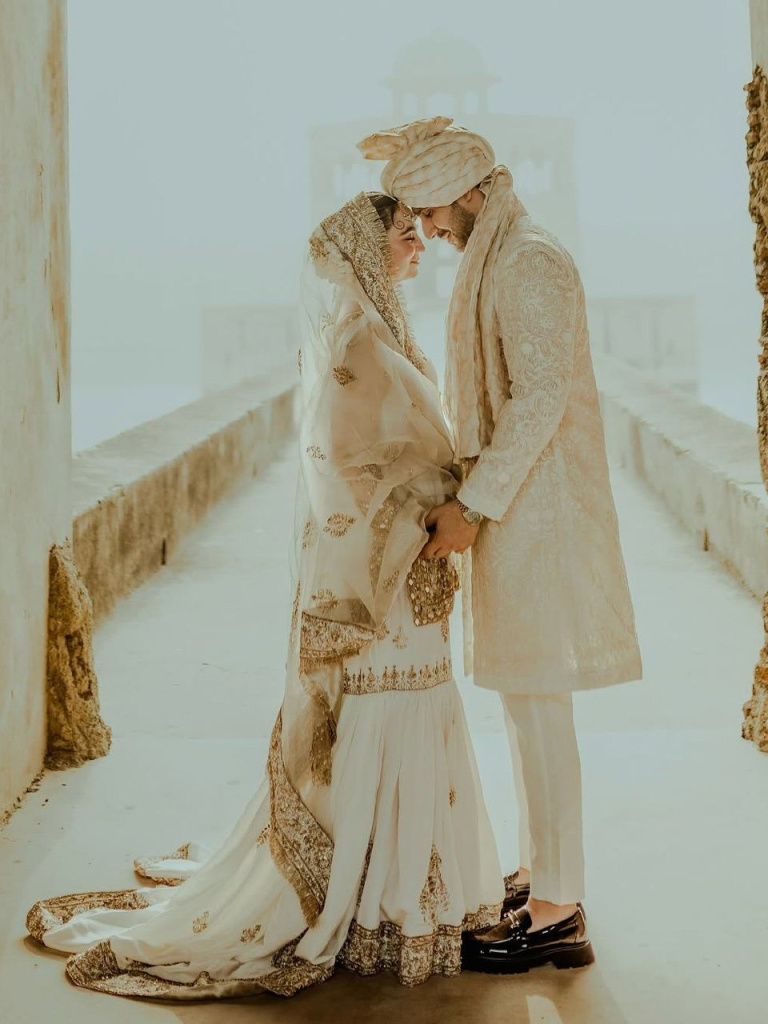
Your wedding attire is more than fabric and thread—it’s a silent storyteller, announcing your heritage, personality, and the tone of your celebration before a single word is spoken. Across cultures and ceremonies, what you wear shapes guest expectations, honors ancestral customs, and elevates the emotional resonance of the day. In regions like Kolkata, where tradition and modernity intertwine, bridal sarees in rich reds and golds aren’t just stylish—they’re symbolic, representing prosperity and auspicious beginnings. Meanwhile, grooms in crisp dhoti-kurtas or tailored sherwanis reflect dignity and cultural pride.
But attire choices aren’t one-size-fits-all. A sunlit beach ceremony calls for breathable linen and airy silhouettes, while a grand ballroom affair invites opulent fabrics and structured designs. Religious and regional customs further influence decisions—from modest lehengas in North Indian weddings to vibrant silk jackets in Bengali ceremonies. Understanding these nuances helps couples align their look with the event’s formality, location, and cultural significance.
In this guide, you’ll discover how to navigate fabric choices, color symbolism, and seasonal considerations—whether you’re planning a traditional biye in Deoghar or a fusion celebration in Kolkata. Learn how to balance authenticity with comfort, elegance with practicality, and honor heritage while expressing your unique love story through every detail of your ensemble.
A Tapestry of Tradition: Bridal Attire Across India’s Cultural Landscapes
Indian bridal fashion is a vibrant expression of regional identity, where every fold, color, and motif tells a story steeped in heritage. From the opulent lehengas of Punjab to the crisp silks of the South, wedding attire reflects not only aesthetic preferences but deep-rooted cultural values and auspicious symbolism. For brides navigating their wedding wardrobe choices, understanding these regional nuances ensures a look that honors tradition while resonating with personal style.
In West Bengal, the taant or jamdani saree in bold red or maroon remains iconic, often paired with a white and red sankha (conch shell bangle) and pola (coral bracelet)—symbols of marital bliss. The saree is typically draped in the nivior Bengali style, accentuating elegance during rituals like Saat Paak and Sindoor Daan.
Punjabi brides favor richly embroidered phulkari-detailed lehengas or ghararas in vibrant hues like fuchsia, royal blue, or gold. Heavy zari work, mirror detailing, and luxurious fabrics like silk and velvet reflect the celebratory spirit of Anand Karaj ceremonies, often held in grand gurdwaras or banquet halls across cities like Amritsar or Ludhiana.
In South India, brides drape timeless Kanchipuram silk saris in temple gold, ruby red, or emerald green, each color symbolizing prosperity, purity, and fertility. The intricate zari borders and mythological motifs are handwoven with precision, making these saris heirloom treasures passed through generations in regions like Chennai, Coimbatore, and Bengaluru.
Choosing the right attire means balancing tradition with comfort—opt for breathable linings in humid climates, and consider pre-stitched drapes for ease during long ceremonies. Ultimately, your bridal look should feel authentic, radiant, and rooted in the culture you celebrate.
Groom’s Style Redefined: From Classic Sherwanis to Indo-Western Elegance
For grooms in Kolkata weddings, attire is more than fashion—it’s a statement of heritage, personality, and occasion. Whether rooted in tradition or leaning toward contemporary flair, the modern groom has a diverse palette of styles that honor Bengali customs while embracing global influences. The foundation often begins with timeless silhouettes like the sherwani, crafted in rich silk or intricate jacquard, which remains a top choice for the main biye ceremony. Embellished with zari work and paired with a topor or nagora, this look radiates regal elegance perfectly suited for heritage venues across North Kolkata or Deoghar.
Equally popular is the dhoti-kurta ensemble, especially for daytime rituals like Gaye Holud or Aiburo Bhaat. Opt for lightweight linen or cotton-silk blends in ivory, burgundy, or navy to stay comfortable during summer celebrations, while maintaining a polished, traditional presence. For couples seeking a fusion edge, Indo-western jackets—think bandhgalas with Mandarin collars or velvet Nehru coats over tailored trousers—offer a sophisticated blend ideal for receptions or sangeets.
Fabric selection plays a crucial role in both comfort and visual impact. Silk delivers opulence for evening events, jacquard adds texture and depth, and linen ensures breathability in Kolkata’s humid climate. Grooms should also consider how colors complement the bride’s attire and overall wedding theme—deep maroons, golds, and pastel hues are all strong seasonal choices.
Ultimately, the key is balancing cultural authenticity with personal style, ensuring each outfit aligns with the ritual’s significance and venue’s ambiance.
5 Wedding Attire Trends Dominating 2026 for Kolkata Weddings
As Kolkata weddings continue blending deep-rooted tradition with cosmopolitan flair, bridal and groom fashion is evolving to reflect both cultural pride and contemporary aesthetics. For couples planning their big day, staying ahead of the curve means understanding which styles combine elegance, comfort, and authenticity. Here are the top five wedding attire trends shaping 2026.
1. Pastel Lehengas: Soft Hues, Bold Statements
Gone are the days when red ruled unchallenged. Brides are embracing pastel lehengas in blush pink, mint green, and lavender, crafted from lightweight silks and embroidered with gota patti or zardozi. These soft shades offer a fresh twist while remaining wedding-appropriate, especially for daytime gaye holud or sangeet events. Pair with gold jhumkas and minimal jewelry for a modern-yet-traditional balance.
2. Minimalist Sarees: Less is More
Clean lines and subtle detailing define the minimalist saree trend. Think finely woven taant or jamdani in single-tone palettes with delicate borders. Ideal for intimate biye ceremonies or urban receptions, these sarees highlight grace over grandeur—perfect for brides prioritizing comfort without sacrificing sophistication.
3. Sustainable Fashion Picks: Ethical Elegance
Eco-conscious couples are opting for handloom fabrics, plant-dyed textiles, and upcycled ensembles. Designers across Kolkata and nearby towns like Siliguri are catering to this demand with customizable, sustainable options that support local artisans while reducing environmental impact.
4. Groom’s Bandhgalas: Regal Reinvented
Men are elevating their look with tailored bandhgalas in rich textures like brocade and velvet, often paired with contrast churidars or dhoti-pants. Jewel tones—emerald, navy, and burgundy—are especially popular, offering a dignified silhouette that honors tradition with a modern edge.
5. Fusion Ensembles: East Meets West
Think saree gowns, lehenga skirts with crop tops, or sherwani-jackets over tuxedos. Fusion wear allows couples to express individuality while honoring heritage. This style is ideal for multi-day celebrations, letting each event feature a unique fashion moment—perfect for destination weddings in heritage homestays or garden estates.
How to Choose the Perfect Wedding Outfit: A Step-by-Step Guide
Selecting the ideal wedding attire goes beyond picking a stunning look—it’s about harmonizing tradition, venue, season, and comfort for a celebration that lasts from morning rituals to late-night festivities. Follow this step-by-step guide to ensure your outfit shines at every moment.
- Match Your Attire to the Venue
Determine the wedding setting first—whether it’s a heritage rajbari in North Kolkata, a riverside lawn along the Hooghly, or a modern banquet hall in Salt Lake. For outdoor daytime events, opt for lightweight silhouettes like cotton sarees or kurta-pyjamas. Grand indoor ballrooms allow for heavier fabrics like silk or velvet ensembles. - Choose Season-Appropriate Fabrics
In Kolkata’s humid climate, breathable materials such as taant, muslin, or jamdani keep you cool during summer ceremonies. Winter weddings call for richer textures like brocade or wool blends, especially for evening events. - Accessorize Thoughtfully
Complement your outfit with meaningful pieces—gold jhumkas, a sankha pola for brides, or a traditional topor for grooms. Keep accessories balanced; avoid overcrowding with jewelry that may cause discomfort. - Prioritize Comfort & Mobility
Ensure your outfit allows ease of movement for rituals like Saat Paak or Gaye Holud. Test walk in your footwear and consider seamless innerwear for all-day wear. - Plan for Layering & Transitions
Have a lighter shawl or dupatta handy for air-conditioned spaces, and consider a second outfit for the reception to stay fresh and photo-ready.
Wedding Attire Guide: Common Questions Answered
What should guests wear to a traditional wedding in Kolkata?
For men, a well-tailored kurta-pyjama or sherwani in rich fabrics like silk or jacquard is ideal. Women often choose elegant sarees—particularly taant, jamdani, or baluchari—in auspicious colors like red, maroon, or gold. Lightweight anarkalis or lehengas with minimal embroidery are also appropriate, especially for evening events. Avoid white or black, as these are traditionally linked with mourning in Bengali culture.
Is it acceptable to wear Western attire to a Bengali wedding?
While Western outfits like suits or cocktail dresses are becoming more common at modern receptions, they should be avoided during core rituals like Gaye Holud or the main Biye. If wearing Western wear, opt for formal, modest styles—think floor-length gowns or tuxedos—and incorporate Indian accessories like jhumkas or kamarbands to honor the cultural context.
How can couples blend modern fashion with traditional elements?
Many couples today choose fusion wear—like a sherwani with Mandarin collars or a saree draped in a contemporary style. Bridal lehengas might feature kantha embroidery, while grooms may wear topors with pastel-toned ensembles. The key is maintaining symbolic elements—such as the sankha pola for brides—while personalizing silhouettes and fabrics.
What should I consider for multi-event weddings?
Plan outfits that transition well across events. Lighter fabrics like cotton silk or georgette are ideal for daytime rituals in Kolkata’s humid climate. Many guests opt for one formal look for Gaye Holud and a more ornate ensemble for the wedding night. Consider ease of movement and comfort, especially during long ceremonies.
Can guests wear red to a Bengali wedding?
Yes—unlike some cultures, red is not reserved solely for the bride in Bengali weddings. Guests frequently wear red, maroon, or other deep tones. However, avoid shades too close to the bride’s outfit to prevent overshadowing her on the big day.
What are the etiquette rules for footwear and accessories?
Since many rituals take place on floor-level mandaps or in homes, be prepared to remove footwear. Opt for elegant mojaris or sandals that are easy to slip on and off. For accessories, keep jewelry tasteful and culturally respectful—pearls, gold, and temple designs align well with traditional aesthetics.
How should outstation or international guests dress appropriately?
Research the event type and consult the wedding’s dress code. When in doubt, choose semi-formal Indian wear. A silk saree or kurta set from a local boutique in North Kolkata or Salt Lake can offer both authenticity and comfort. Many couples include attire tips on their wedding website to guide guests.
Honor Tradition, Express Yourself: The Art of Meaningful Wedding Attire
Thoughtful attire choices do more than make a fashion statement—they deepen the emotional resonance of your wedding day. In Kolkata weddings, where heritage rituals like Gaye Holud, Saat Paak, and Saptapadi carry generations of symbolism, what you wear becomes part of the storytelling. Traditional garments like silk taant sarees, handwoven jamdani, and intricately embroidered sherwanis are not just cultural nods—they reflect respect for lineage, family values, and regional artistry. Yet, today’s couples are embracing a more personalized approach, blending heirloom pieces with modern silhouettes, lighter fabrics, and custom details that speak to their unique journey.
This balance between tradition and individuality enhances the overall wedding experience, creating moments that feel both timeless and authentic. Whether you’re attending a rajbari ceremony in North Kolkata or a garden reception in Salt Lake, your attire sets the tone for participation and connection. Consider these actionable steps:
- Align your outfit with the ritual: Opt for auspicious colors like red, maroon, or gold for main ceremonies, and softer pastels or fusion wear for daytime events.
- Prioritize comfort without compromising elegance: Choose breathable fabrics like cotton silk or georgette, especially for outdoor or summer weddings in Deoghar or nearby regions.
- Incorporate meaningful accessories: A family heirloom shankha pola, a hand-stitched topor, or a contemporary take on nath jewelry can add personal depth.
Let your wardrobe honor the past while embracing who you are today. Explore curated looks on your website to find inspiration that respects tradition and reflects your story. Your wedding attire isn’t just what you wear—it’s how you remember, and are remembered.